Poetry

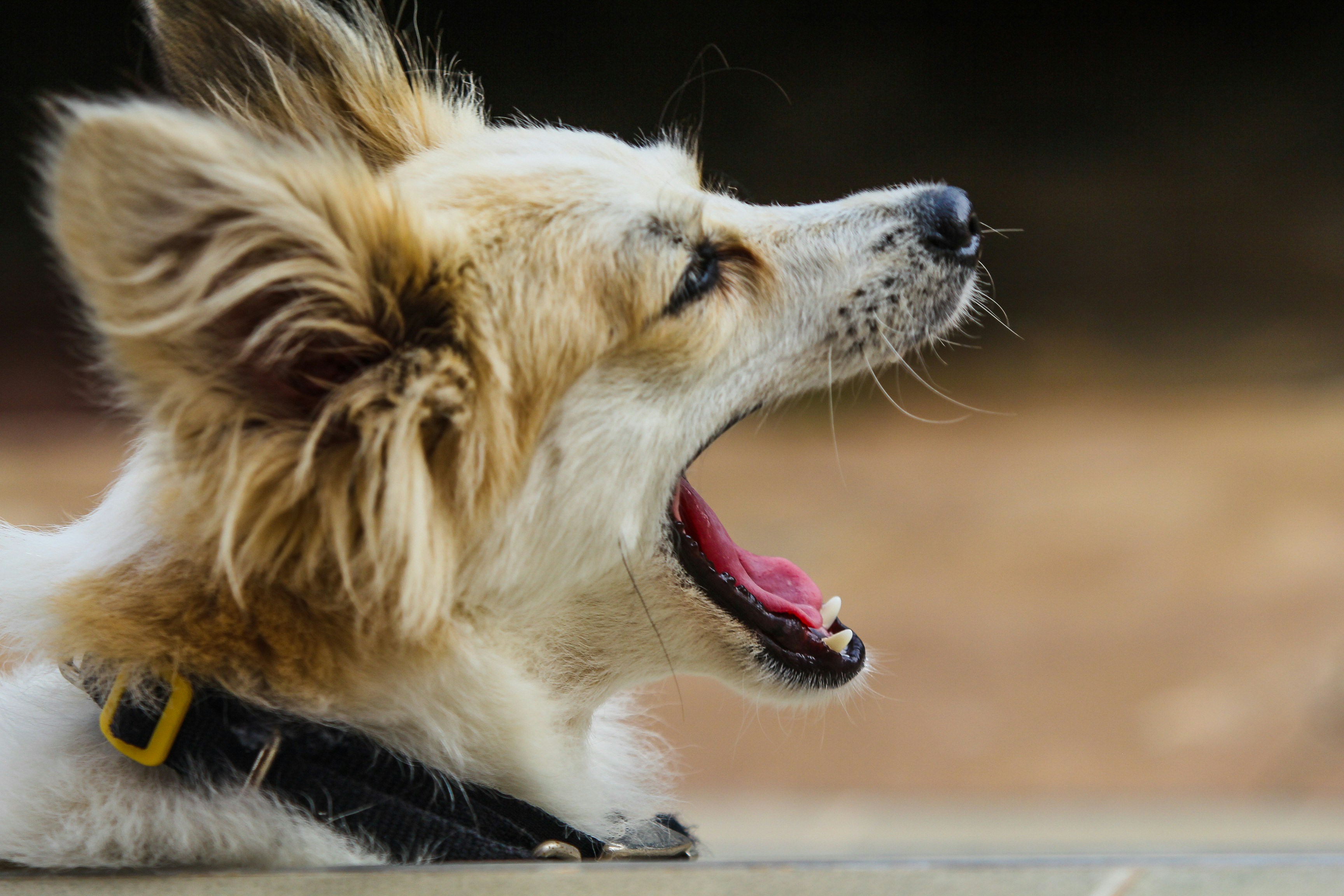
Guard Dog

Photo by Ayubu Lulesu on Unsplash

The squirrels are planning a takeover.

I can tell because 
they’ve bomb-blasted the yard 
with acorns and dung;
I can trace the steps of their spies,
so unwisely imprinted in the mud.

I have tried to report this to my superiors.
I have raised the alarm,
Code Desperate Bark,
from my back-door post
in hopes of planning 
a counter-attack,

but my warnings went ignored
in the paperwork and scurry
of the commanders’ more pressing
military duties,
like sitting in their chairs
while I run on the floor
or going out the front door
and coming back in it later.

I understand;
someone has to stand around
and stare at small patches
of glowing light.
I’m just a private,
unworthy of such deadly
weapons technology—
but I can fight.

So I study the squirrels by myself,
watching their nimble ninja bodies
practicing new kinds of karate,
keeping the coordinates of their Air Force
swooping over my territory,
sending one man in on parachute
while another crawls over the fence.

Every time I burst outside,
I catch another enemy soldier
already over the border,
and I run him back out
just in time,
knowing we’re on the edge 
of all-out invasion,
of drafts and war bonds
and grim expectations.

I can smell the army already impending,
taste the burnt puffs of their tails
in the hot haze of battle.
Even in my dreams
I am nipping at their feet
that are coming,
always coming,

I am growling back 
at their insolent noses
that distinctly smell my pee on the grass
and still choose to trespass

on the only backyard 
holy homeland
that I will ever own.

Poetry

Fearlessness and Faith

Photo by Chris Chow on Unsplash

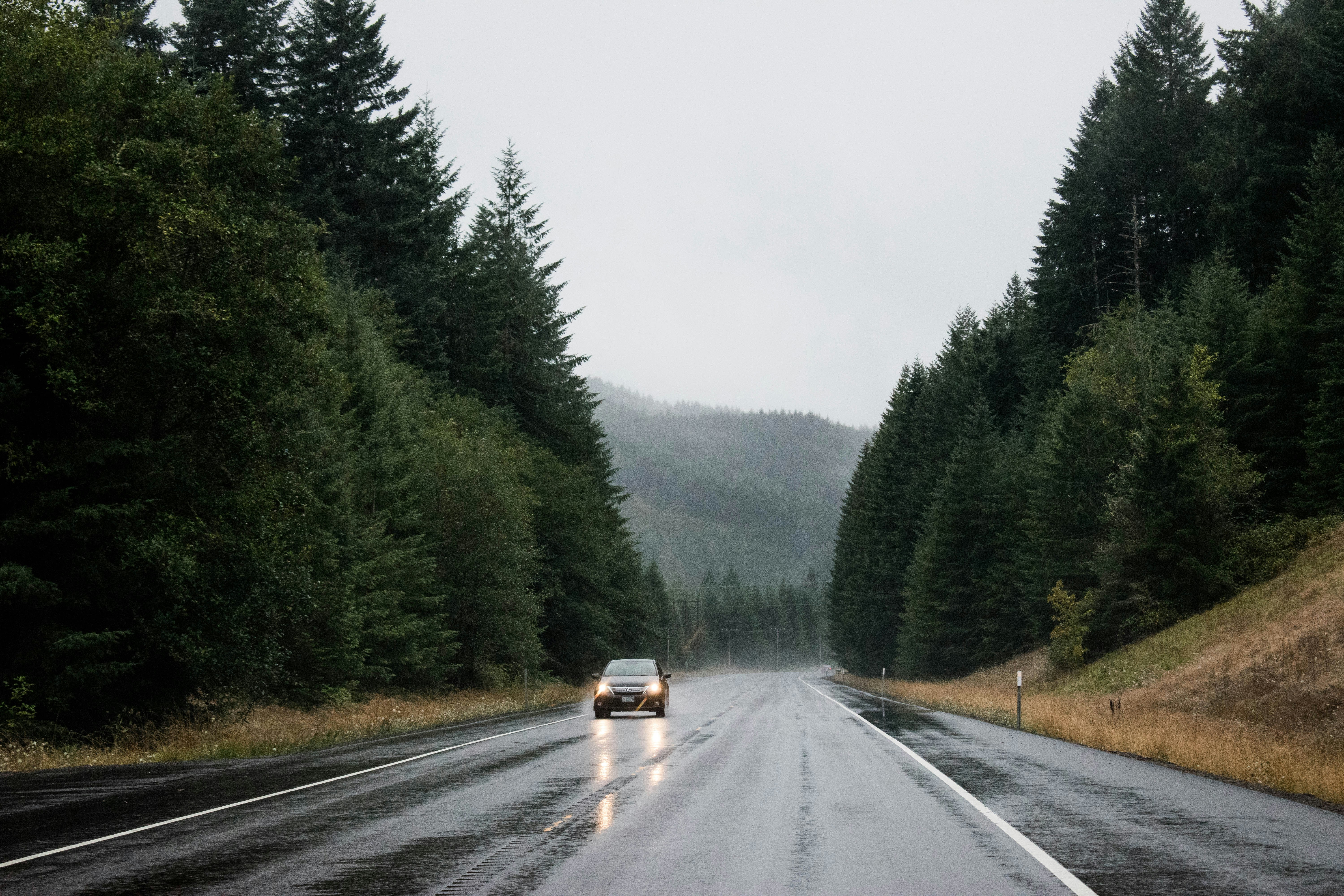
To the deer I did not kill today—
to the deer that did not kill me:

May that last layer of air
between you and calamity,
thin as innocence and as easily ripped,
somehow always hold.

May you cut it so close
that if you think about it
any longer than your leap lasted,
you can almost feel the memory of impact,
though you cannot find the laceration.

May angels spoil you with rescue
and devils close their claws upon your back
so that you’ll leave them
with a mocking snatch of fur
when you fly past.

And may you be changed in my car’s wake,
not to tiptoe now through defenseless fields
or bolt at thunder’s throaty hallelujah,

but to run faster, love rasher
the wind that once cushioned you
from metal death against your chest,
charging every leaf-tinted what-if
and rallying at every fence,
counting on last-minute grace
until your last second ends.

Photo by Andy Li on Unsplash
Poetry

Erect

You were one year old
when the Two Towers toppled over
like the stack of blocks
you toddled into in the home video,
each cube crushing down
in a chaos of cute wooden colors:
white for the planes; orange for the fire;
red and blue for the uniforms
that ran in the front doors
and stayed.
Like the rest of us,
you were stunned for a second at the crash,
but then your hands flew up like aircraft,
and you giggled at the casualties on the carpet.

Now your memory of the event is purely external.
Every September your mom pulls the old VHS out
for the strange un-holiday,
and you watch the screen recorded on the screen.
You can see the bloom of smoke
trembling along with the camera in your mom’s hands,
your parents filling in the soundtrack
with sobbing and words they wouldn’t have said
if you’d been old enough yet to really listen.
And right when the camera zooms in
on the bodies falling along
the long, long sleek sides of the sky,
there you are, wobbling through the living room,
with nothing on your mind
but staying on your feet,
for you’re learning to walk—
you don’t want to fall.

And I feel the years push between you and me
like a pane of glass:
you live in the living room, watching from away,
while I’m behind the screen
covered in the rubble of the ash-and-terror scene,
and every fall I find that it is happening again to me,
now, still.

I look out at you in your audience view,
and your lack of memory makes you foreign.
This plummeting pain isn’t yours to hold;
you didn’t sit for six hours straight
watching and watching the same eight clips,
then standing in the parking lot of the gas pump
where a hundred cars had come to gulp down gasoline
and the passengers hunched up in groups
passing around stories to quench the panic,
and your best friend’s mom didn’t tell you like a fact
that the End Times had exploded open.

But as I nurse the burns still scalding me inside,
my roommate tells me it’s a blessing
that no one ever hijacked your heart.
You’re different, yes: you’re rising up, straight-backed
and wonderfully unremembering;
you’re the dawn winking up through
this old still-choking smoke,
and while we hold out for you the debris of our history
you hand us blueprints of hope.

And by the time the video ends,
both of your parents have shattered down onto the couch,
and they don’t notice now,
but one day on a replay
they will realize that you made it
all the way across the room,

the only American that day
who still knew how to go on
standing.

Photo by Julien Maculan on Unsplash
Poetry

Gripping

Sometimes a good book stays inside you—
and sometimes you stay trapped 
inside its tight pages.
Sometimes a book locks you up in its love
and doesn’t want to let you leave.

You try to claw your way past
the possessive protagonist,
but the conclusion has closed,
and there’s no reading yourself free,
no more reality—

only a conflict that keeps rising
with the cruel clutch of floodwaters
and a plot that twists itself 
in poetic knots around your wrists.

The series never ends;
the characters refuse
even just once to stay down dead.
All that is left of you
when the author comes looking
for another angle she can weave
into side-novel number thirty-three

is the sidenote “Labyrinthine”
scrawled in blue gel pen
along one margin.

Photo by Brandi Redd on Unsplash
Poetry

I’m Always Missing

Photo by v2osk on Unsplash

heaven is the time when now and every previously can kiss,
the party that all your friends can finally come to,
the house where grassy steppes and waterfalls
are just downstairs from downtown and the kitchen

earth lets you hold
only one good thing at a time

and hell is nothing in your hands
but oversaturated memories

Poetry

Close As Skin

No one knows what to do with the girl
who wrestles the angel every night.
They try to pry her away
from such violent impropriety,

as if it would be better for her
not to go on holding him,
with her fingers seared into his skin,
and his blood that she’s drawn
dripping down onto her bruises.

For every place they clash
is also a place they touch:
her knee to his stomach,
his heel to her shin,
fist to back
neck and neck
name to blessing
ghost to flesh

pulses slamming
against each other the 
same sacred, dissonant 
discontent.

Photo by dylan nolte on Unsplash
Poetry

Fine

Photo by Jonathan Cooper on Unsplash

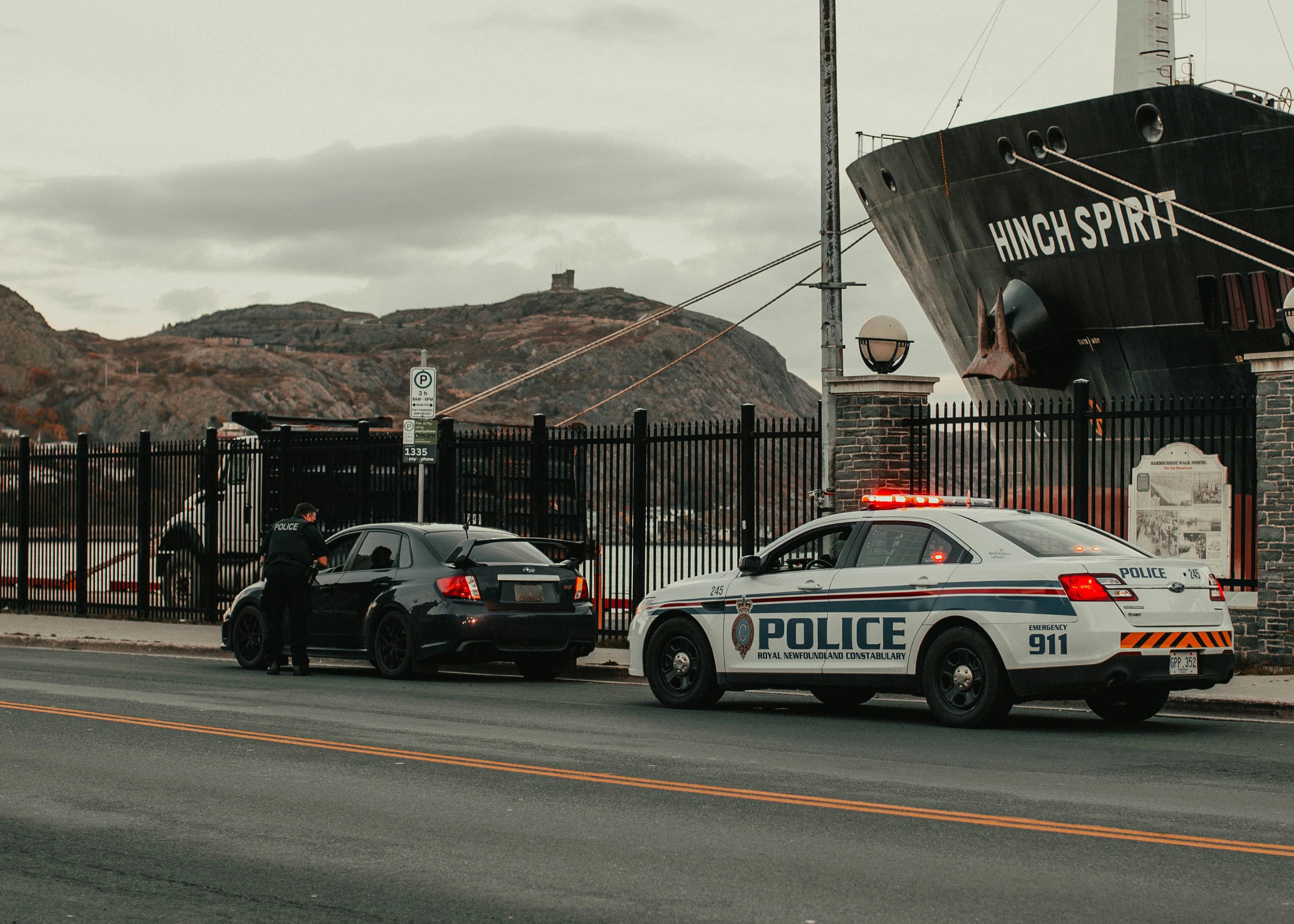
Do you know how fast you were going?

No, not really.
I’d supposed I was cruising at perfectly normal,
but according to this moment
and the number stamped
on the ticket you’re about to slip me,
I guess I’d accelerated into extremes—
at least, maybe just a little.

It’s hard for me to see momentum
as a crime—
I mean, I’m only moving—
hard to believe the cop standing
stock-shockingly-still
just outside my car door
when he tells me I was out of control
(first of all: how could he know?),
that I’m in trouble
for my own protection,
that this limit was outlined
somehow to help me.

I want to tell him,
“Sorry, sir, I’ll pay the penalty,
but I disagree with your diagnosis of illegal.
Trust me, I had it covered,
and I was only ever speeding
to achieve more (or possibly enough)
for this left-lane highway society.
I was on my way to investing, you see,
and some deadline or friend
(because what’s the difference?)
has already claimed my every minute.
I’m just the kind that lives quickly,
and trust me— I’m fine.”

Afterwards, I’m rushing too much to realize
that I could use more inconveniences like him:
I need one speed trap set up
halfway down my hallway
and another one fixed as a chip
inside every device I own that’s wireless,
a tacky orange sign beside my desk
glowing grim with a statistic—
any percentage that’s less about death
than it is about the loss of life—
a siren that’s willing to wail
as shrieky as it takes to shake me
out of my automatic hyper-drive,

and a weaselly friend 
who demands payment
in the name of my own safety
every time I let anxiety
instead of presence set the pace.

Photo by Tim Trad on Unsplash
Poetry

Grief Smash

The impact only hit you once—
a jerk, a blink, and you were gone—
but several times a week
that car comes crashing into me.

I’m cruising with the music cranked,
a straight shot through the cadence of my day,
when that invisible missile
shocks through my mental windshield
and the world shrieks down
to zero miles per hour.

Again and never-ending
I must keep learning
that I have 

lost you.

Photo by Karl Hörnfeldt on Unsplash
Poetry

Nursing Home Bird Cage

Photo by Hatice Güven Yeşilyurt on Unsplash

All we’ve lost is the space to fly,
but we still have wings in here.
We’re still loud and yellow-wild
if you can just see us
past the miles of glass.

We sit and watch the birds whirl their wings 
in tight circles, never pushing past the glass—
like us, windswept men 
trapped in wheelchairs and deafness.

We sit and watch the birds speak for us.
None of us knew each other back when 
we carried our own
brash speech and quick feet,
so we learn each other’s lives by
watching these reruns playing out 
behind the screen:
Paula, sweet and soft, 
always landed with precision;
Don was the kind to rise and sing
when everyone else fell from the sky.

We’re watching the birds
when our children come
and speak a language we no longer know,
high-speed streams of data and questions
flecked with petulance when we repeat,

sit and watch the birds with us,
sit and watch the birds.

They look away and frown their faces
into lines that will solidify 
in a couple of decades.
They think our souls have already flown
because all afternoon we chirp 
the same three words,

sit and watch,
sit and watch,

everything we want to say 
written in the script of birds
whose world is the inside of a wall.

Poetry

Winter Wear

I was too broke 
to buy earmuffs,
and you lacked the cash 
for a scarf,
so we grew them, like farmers:
crops of string-curls 
clapping over my earlobes,
itchy brown chops 
wrapped ‘round your chin.
But I’m chopping off 
my hair-hat,
and you’re shivering 
for a shave—
so when it snows, 
you’ll have to hold
my hand tight,
like a glove.